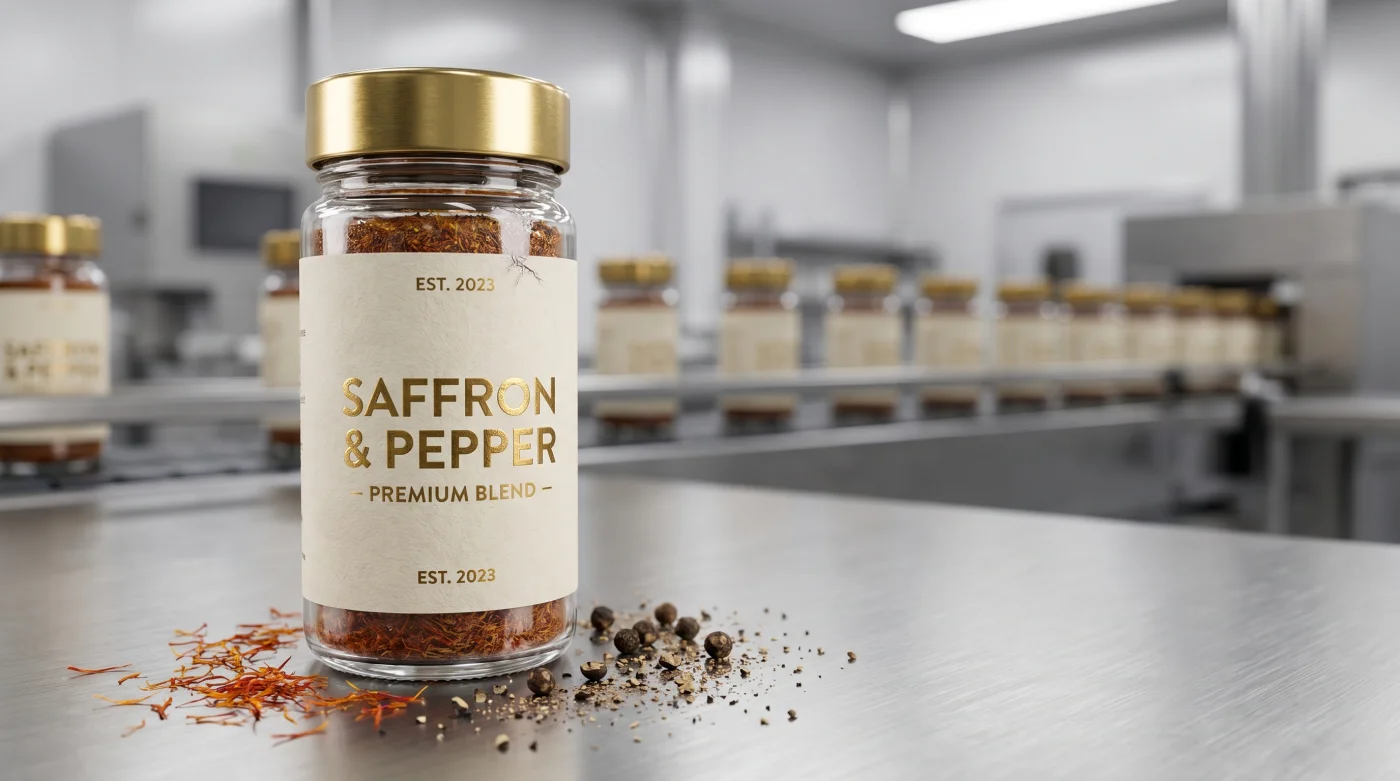
Walk down the aisles of your neighborhood Trader Joe’s, and the sensory cues tell a very specific, carefully crafted story. The hand-painted signs, the maritime bell ringing at the register, and the narrow aisles create a cozy, isolated universe. You grab a glass jar of smoked paprika or a signature seasoning blend for three dollars, tossing it into your canvas bag without a second thought. It feels distinctly local, like a quirky neighborhood find that belongs exclusively to this single store.
But behind that familiar paper label lies a vast, whirring industrial reality. If you strip away the cheerful branding, you find yourself staring at an invisible global supply network. The modern grocery aisle is a masterclass in controlled perception, designed to make you think price dictates quality, when in fact, the logistics of the modern food system tell a completely different story about what sits on your kitchen counter.
The truth sitting in your pantry is far more interesting than the marketing suggests. Those unassuming two-ounce jars are quiet beneficiaries of a massive, shared manufacturing ecosystem. The exact same dried herbs and crushed peppercorns that fill the shelves of high-end culinary boutiques are flowing through the very same facility, ultimately landing in your shopping cart for a fraction of the cost.
The Illusion of the Bottling Line
Think of the commercial spice trade like a massive river that eventually splinters into dozens of smaller, separate streams. For decades, the assumption was that a thirty-dollar artisanal jar of Herbes de Provence came from a magical, sun-dappled farm, while the three-dollar grocery store version was swept off a concrete factory floor somewhere. We bought into the idea that spending more meant tasting more, punishing our budgets in pursuit of a better dinner.
The reality is a brilliant exercise in private labeling. Generic packaging obscures the actual source of shelf ingredients, masking the fact that the famous seasoning blends you use daily are bottled in the exact same facility as thirty-dollar artisanal variants. The packaging creates the price, not the soil. Your cheap grocery staple isn’t a lesser product; it’s just wearing a more modest outfit. This realization shifts the way you cook, turning a perceived budget compromise into a major culinary advantage.
Consider the daily routine of Marcus Thorne, a 48-year-old contract food packer running a facility just outside Newark, New Jersey. His warehouse smells perpetually of dehydrated garlic and toasted cumin, a scent so thick it settles into his clothes permanently. On a typical Tuesday, Marcus oversees a stainless-steel hopper funneling hundreds of pounds of smoked Spanish paprika. For the first four hours of the shift, the vibrant red dust fills heavy, cork-stoppered glass vessels destined for a luxury culinary catalogue at twenty-eight dollars a piece. After lunch, the workers simply switch the spools of labels and the shape of the jars. The exact same paprika, from the exact same hopper, finishes the day filling the quirky, familiar bottles you grab on your weekly grocery run. The only thing that changes is the paper sticker.
Reading the Ash and Dust
Not all blends and botanicals are treated equally in this shared supply chain. Knowing how to shop the aisle means understanding which categories benefit most from this manufacturing crossover, allowing you to build a Michelin-level pantry on a Tuesday night budget.
For the Aromatic Purist
If you rely on single-origin staples like whole black peppercorns, cumin seeds, or coarse sea salt, you are getting the purest form of this supply-chain arbitrage. Whole spices resist degradation, meaning the difference between a boutique brand and a store brand is literally non-existent once you strip away the branding. The heavy lifting was done by the sun and the soil months ago. Your only job is to buy the jars whole and crush them yourself just before hitting the hot oil, coaxing out a profound depth of natural flavor.
For the Heavy Hand
When it comes to those iconic, everything-but-the-kitchen-sink seasoning blends, the overlap is even more pronounced. The secret to these mixes isn’t rare ingredients; it’s precise ratios. The facilities mixing these spices hold the master recipes for dozens of brands. You aren’t just buying dried onion and sesame seeds; you are buying highly calibrated, focus-group-tested flavor profiles that were originally engineered for premium markets before making their way down to the neighborhood store level.
For the Baking Enthusiast
Cinnamon, nutmeg, and ginger operate under incredibly strict import regulations, which inadvertently protects the consumer. Because these raw barks and roots must meet specific grading standards upon entering the country, the baseline quality is exceptionally high. Whether it goes into a minimalist matte black pouch or a bright plastic shaker, the cinnamon you are using to bake your morning muffins shares the exact same volatile oil content as the expensive stuff.
Curating Your Countertop
Now that you know the pedigree of what sits in your pantry, you have to treat it with the respect it deserves. A premium ingredient degrades rapidly if neglected, regardless of the price on the receipt. You cannot treat these jars like permanent fixtures of your kitchen architecture.
The first step is ruthless organization. Heat and light are the enemies of volatile oils, and keeping those glass jars directly above your stove guarantees they will taste like dusty cardboard within a month. Move them to a cool, completely dark drawer, or a dedicated cabinet away from the oven’s ambient heat and the afternoon sun.
To maximize this hidden value, adopt a strict rotation system. Spices don’t spoil in a way that will harm you, but they do fade into ghosts of their former selves. Implementing a few mindful habits ensures your three-dollar jar performs like a thirty-dollar investment every single time you cook.
- Date the bottom: Use a permanent marker to write the month and year you opened the seal.
- Buy small: The two-ounce jars are ideal. You want to burn through a jar of ground cinnamon or dried basil in less than six months.
- The crush test: Pinch a pinch of dried herbs between your fingers. If you can’t smell it instantly, it’s time to throw it in the compost.
Finally, you need a tactical toolkit for application. Before adding a dry blend to a liquid or a finished dish, bloom it in a tablespoon of warm oil or butter for thirty seconds. This simple act of localized heating melts the cellular walls of the dried ingredient, instantly reactivating the dormant oils and mimicking the depth of a fresh botanical.
The Democratization of Flavor
There is a deep, quiet relief in knowing how the system actually works. For years, aspirational cooking media has whispered that your food will only taste spectacular if you source your ingredients from a tiny, exclusive purveyor. It bred a subtle anxiety at the grocery store, a lingering guilt that your budget was somehow holding your meals back.
Understanding the truth of private labeling strips away that unnecessary pressure. You are already cooking with premium ingredients. The barrier to entry for incredible flavor isn’t a bloated grocery budget; it’s simply a matter of technique and timing. When you twist off that familiar cap and shake a flurry of red pepper flakes into a simmering pan, you can finally stop worrying about the price.
The heat, the aroma, and the depth are exactly as they should be. Your kitchen is no longer a place of financial compromise, but a space where raw, unbranded potential meets your personal skill. Let the label fade into the background, and let the food speak for itself.
“The magic of the modern spice trade isn’t in the branding; it’s in the realization that the same exact paprika dust settles on both the budget and the boutique glass.”
| Key Point | Detail | Added Value for the Reader |
|---|---|---|
| Facility Overlap | Major retailers use contract packers who also bottle luxury labels. | Save $20+ per jar without sacrificing any actual culinary quality. |
| Whole vs. Ground | Whole seeds retain their oils identically across all price tiers. | Guarantees premium flavor if you grind them fresh at home. |
| Blend Ratios | Iconic mixes are calibrated by the same food scientists as boutique rubs. | Access highly engineered, professional flavor profiles for under $3. |
Frequently Asked Questions
Do store-brand spices expire faster than expensive ones?
No. Both degrade at the exact same rate once exposed to air and light, usually losing peak potency within six months.Why do premium brands charge so much if it’s the same ingredient?
You are paying for the marketing, the heavy glass packaging, and the perceived exclusivity of small-batch distribution.Are the generic blends exactly the same recipe?
While proprietary ratios differ slightly, the base ingredients—the dried garlic, onion, and sea salt—are pulled from the identical supply hopper.Should I keep my spices in the refrigerator?
Avoid the fridge; the fluctuating humidity introduces moisture to the jar, which causes clumping and premature degradation.Can I revive an older jar of a cheap spice blend?
Yes, blooming the older spices in warm oil or butter right before cooking helps coax out the remaining volatile oils.