Imagine standing in the small-appliance aisle under the fluorescent glare of a big-box store. It is late July, the asphalt outside is radiating heat, and you just want the satisfaction of turning a protein shake into gelato. You scan the shelves for the machine you saw on social media last night, but instead of a neatly stacked display, you find an empty metal grate and a missing tag.
When you pull out your phone to check online, the sticker shock hits. Third-party sellers are asking double, and even authorized retailers have quietly bumped the price. The market is reacting to a quiet frenzy, leaving you wondering if a pint of frozen almond milk is really worth a small fortune.
This is not a traditional supply chain breakdown. Ships are not stuck in a canal, and factories are not shut down. What you are experiencing is the modern retail machine at work, a hyper-sensitive network that watches what you type into your search bar and adjusts the physical world accordingly.
Every time someone looks up a low-sugar sorbet or a macro-friendly dessert, a signal fires. Real-time pricing algorithms are catching this massive wave of dietary queries, and they are translating your late-night craving into an immediate twenty percent markup at checkout.
Reading the Retail Weather Vane
We tend to think of prices as static figures printed on cardboard tags, set in stone until a holiday sale rolls around. But the reality is that the cost of popular appliances now breathes and flexes like a living organism. The Ninja Creami is not just a high-powered blender; it has become a focal point for a massive cultural shift toward functional, customized foods.
Retailers are not just guessing what you want on a whim. They are reading the digital tea leaves of your search history. When queries for “dietary dessert” spike in the summer heat, they capitalize on the panic, raising the base MSRP quietly overnight. What seems like a frustrating flaw in the market is actually a brilliant window into how modern commerce works. You are not at the mercy of a manufacturing shortage; you are standing inside an algorithmic loop.
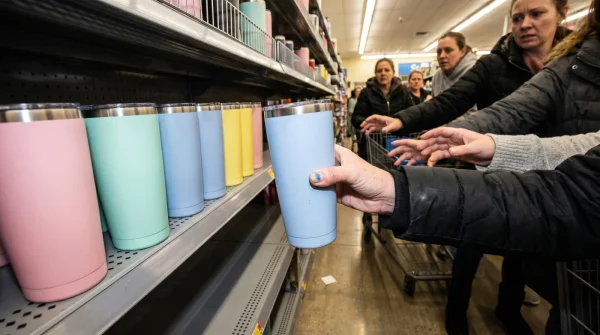
- Stanley Quencher cups trigger a massive retail inventory panic this week
- Dyson V15 vacuums restrict maximum suction to preserve the lithium battery
- Cast iron skillets stripped with oven cleaner perform better than new
- Yeti hard coolers fail thermal retention tests against cheap hardware alternatives
- Trader Joe’s spices share a supply chain with premium culinary brands
The Telemetry Behind the Craving
Marcus Thorne, a 42-year-old retail telemetry analyst based in Chicago, spends his days watching these digital currents flow. He monitors a massive dashboard that tracks the correlation between health-food search volume and physical hardware demand. Last month, he watched a sudden, unprecedented spike light up his screens like a summer storm.
“It wasn’t just that people wanted ice cream,” Marcus explains over a lukewarm coffee. “They wanted total control over their macros. The exact moment ‘high protein ice cream recipe’ hit a critical search velocity, the retail software automatically adjusted the pricing tiers for the machines required to make it. The twenty percent bump wasn’t human greed; it was cold, hard math reacting to human desire.”
Navigating the Algorithm by Buyer Profile
Understanding this dynamic fundamentally changes how you approach the checkout line. Depending on your actual needs, your strategy for acquiring this appliance—or bypassing the frenzy altogether—requires a different tactic. You have to stop reacting to the price tag and start outsmarting the data.
For the Macro Tracker: You want the machine specifically to turn chalky protein shakes into a satisfying dessert. Instead of paying the algorithmic premium right now, look at local secondary markets where early adopters are offloading last year’s models. The technology inside the spinning blade hasn’t changed enough to justify the summer surge pricing.
For the Casual Chiller: If your goal is simply to make fun treats for the weekend, step back from the cart. The pressure to buy now is an illusion manufactured by scarcity alerts. Wait for the frost of October. The algorithms will detect a drop in frozen-dessert queries, and the base MSRP will quietly retreat to its normal state.
For the Culinary Purist: You care about texture above all else. The machine is unique because it shaves ice crystals into microscopic dust, mimicking traditional churning without the heavy cream. If you must buy now, bypass the big box stores and purchase direct from restaurant supply or niche culinary vendors whose pricing models are less volatile and less tied to social media trends.
Bypassing the Panic Buying
When you realize the urgency is artificial, you can shop with clarity. You do not need to refresh your browser at midnight or pay a scalper’s fee. You can simply step out of the current and let the frantic buyers exhaust themselves.
Beating the system requires a few deliberate, mindful actions.
- Set price-drop alerts using independent browser extensions that ignore seasonal algorithmic bumps.
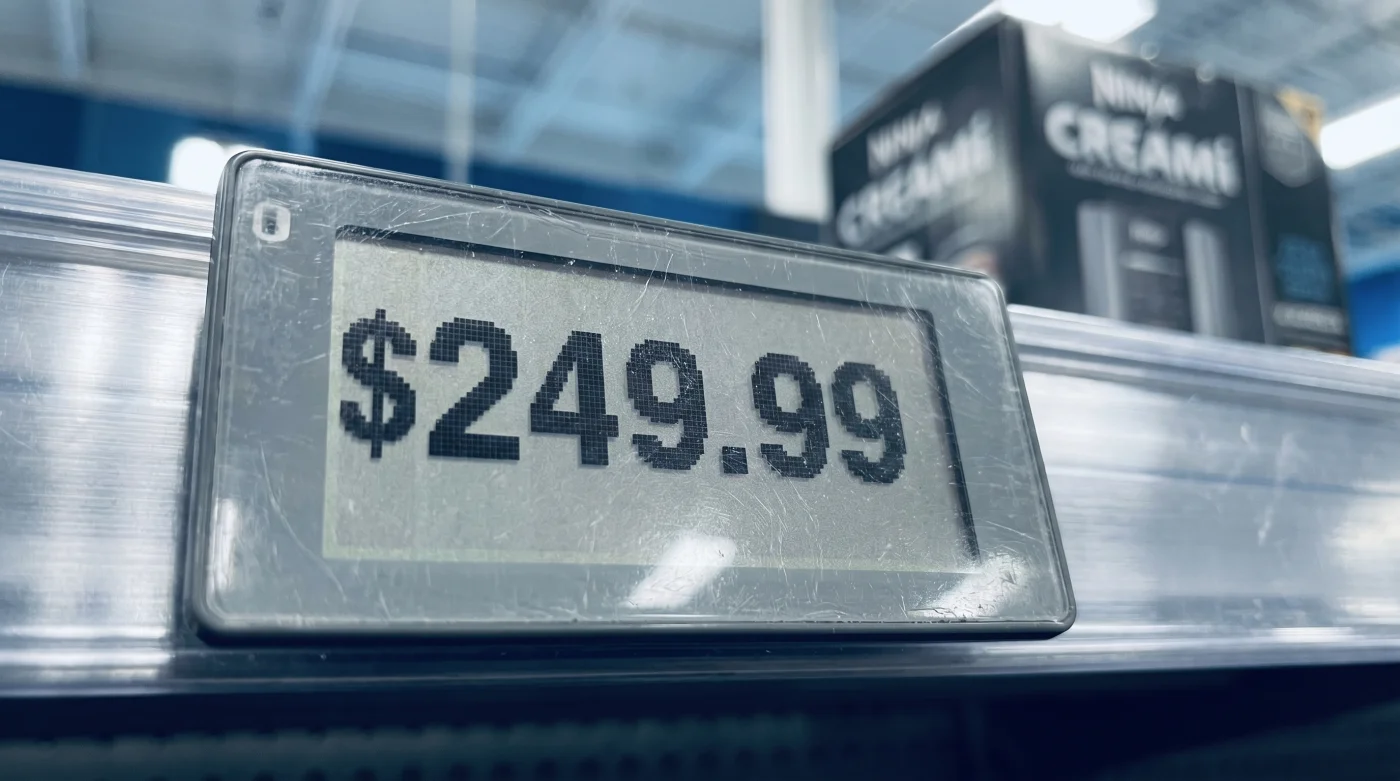
- Track the baseline cost. A standard machine should hover around $199; anything approaching $250 is the twenty percent “craving tax.”
- Search for refurbished units directly from the manufacturer, which often bypass retail telemetry altogether and offer full warranties.
If you already secured one, focus on the technique rather than the hype. The base should freeze solid for at least 24 hours. Anything less, and the blade will struggle, leaving you with icy slush instead of velvet. The motor will whine like a tired engine if you rush the process.
Peace of Mind in a Fluctuating Market
There is a profound sense of relief that comes from seeing the wires behind the magic trick. When you know that the sudden scarcity and the rising price tag are just lines of code responding to a cultural diet trend, the anxiety of missing out evaporates entirely.
You no longer feel compelled to rush the register. You hold the power to wait out the algorithms, to buy when the digital weather calms, and to enjoy your kitchen on your own terms. True value isn’t found in acquiring the trendiest item at its peak, but in knowing exactly how the game is played.
“The moment you realize a price tag is just a reflection of collective anxiety, you stop overpaying and start observing.” – Marcus Thorne, Retail Telemetry Analyst
| Key Point | Detail | Added Value for the Reader |
|---|---|---|
| Algorithmic Pricing | MSRP increases automatically based on search queries for dietary desserts. | Empowers you to recognize artificial inflation and avoid panic buying. |
| Seasonal Demand | Summer heat and diet trends cause a 20% price spike. | Allows you to time your purchase for autumn when prices naturally normalize. |
| Alternative Sourcing | Refurbished units and secondary markets ignore retail telemetry. | Provides immediate workarounds to secure the appliance at fair market value. |
Frequently Asked Questions
Why did the price of the Ninja Creami suddenly go up at major retailers?
Retailers use real-time pricing algorithms that track search trends. A massive surge in queries for “dietary desserts” triggered an automatic twenty percent increase in the base MSRP.Is there an actual manufacturing shortage of these machines?
No. The scarcity is largely a result of algorithmic panic buying. Inventory is flowing normally, but digital systems are bottlenecking availability to maximize profits.When is the best time to buy a frozen dessert machine?
Wait for the weather to cool. In October and November, search queries drop significantly, causing the retail algorithms to lower the price back to its standard baseline.Are third-party marketplace sellers a safe alternative?
Usually not during a trend spike. Third-party sellers manually inflate prices even higher than the algorithmic retail bumps. Look for manufacturer-refurbished units instead.How can I avoid the “craving tax” if I want one right now?
Use price-tracking browser extensions to find local inventory, or buy directly from niche culinary suppliers who do not utilize dynamic, search-based pricing models.