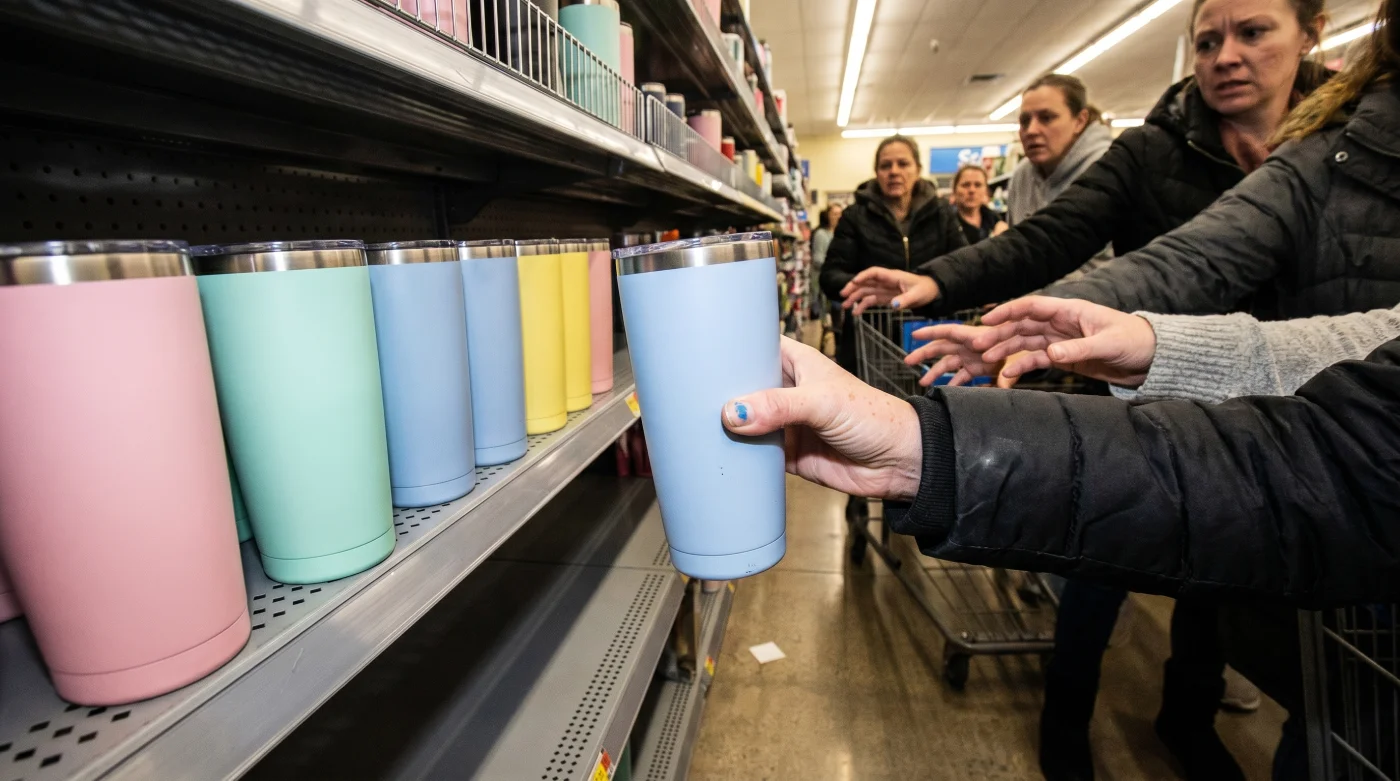
You walk into the brightly lit aisle of your local big-box store, expecting the familiar clatter of heavy steel tumblers and the sight of neatly aligned pastel handles. The air smells faintly of cardboard and floor wax, a mundane backdrop for what should be a simple weekend errand. You just came for a cup, perhaps to keep your water crisp during a long, sun-baked commute or to finally upgrade that battered plastic bottle you have carried for years. The hum of the fluorescent lights feels calming, right up until you turn down the housewares aisle.
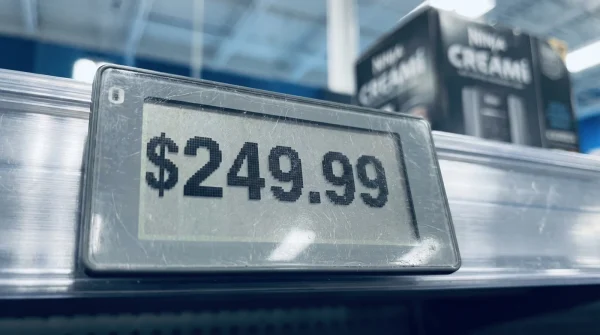
Instead, you find naked metal shelving. There is a barren stretch of empty steel where the Stanley Quencher cups usually sit, marked only by lingering, outdated price tags peeling at the corners. The entire section looks like a ghost town.
This is not a slow, predictable seasonal sell-out. Overnight, a sudden viral search spike triggered a massive national run on warehouse reserves. This digital frenzy depleted physical stock across the country before morning managers even had a chance to unlock their sliding glass doors and turn on the overhead lights.
Behind the scenes, automated inventory systems are simply hemorrhaging stock across the board. Major retail chains, caught entirely off guard by the sheer velocity of the data spike, are now canceling consumer backorders indefinitely rather than promising inventory they know they cannot secure.
The Anatomy of a Retail Mirage
When you see a sudden lack of physical products on the shelf, it is naturally easy to assume the item itself has become inherently more valuable. Your brain automatically equates sudden scarcity with high quality, pushing you to secure the item at any cost before it vanishes completely.
Think of this modern inventory panic like a weather system rather than a traditional supply issue. It brings a sudden, artificial inflation of everyday goods on secondary markets, where opportunistic resellers act as a dam holding back the water, creating a drought just to sell you a glass of water.
The perspective shift here is deeply crucial for your peace of mind. Missing out on the primary stock is not a failure of your shopping habits or a sign that you are behind the times; it is actually a major advantage in disguise.
- Dyson V15 vacuums restrict maximum suction to preserve the lithium battery
- Cast iron skillets stripped with oven cleaner perform better than new
- Yeti hard coolers fail thermal retention tests against cheap hardware alternatives
- Trader Joe’s spices share a supply chain with premium culinary brands
- Costco bulk paper placement dictates exactly how you spend your money
What feels like a frustrating lack of availability is actually your shield against algorithmic price gouging. By stepping back from the empty shelves and refusing to play the game, you naturally avoid paying double or triple for basic steel and plastic.
Sarah Jenkins, a 42-year-old logistics director operating out of a massive distribution hub in Columbus, Ohio, watched this exact scenario unfold on a quiet Tuesday evening. She had her eyes on a regional telemetry map when the demand numbers for thermal drinkware began to blink a frantic red.
“It was not human buying,” she noted, pointing to the dark screen mapping national warehouse reserves. “It was a sudden, coordinated algorithmic drain.” She watched helplessly as big-box retailers were forced to cancel thousands of consumer backorders as their software systems simply threw up their hands, unable to fulfill the digital promises made just hours before.
Navigating the Fallout by Shopper Type
How you handle this sudden retail fallout depends entirely on what the tumbler actually means to your daily routine. Recognizing your own underlying motives helps bypass the manufactured urgency completely.
For the status buyer, you are standing directly in the crosshairs of bloated secondary market pricing. Resellers know you are buying the logo and the cultural cachet, not the utility of the cup, and they will stretch your wallet until you finally break.
For the practical hydrator, you just want ice water to stay cold in a hot car during a mid-summer road trip. The brand name printed on the side is entirely secondary to the quality of the vacuum seal, making this entire panic largely irrelevant to your actual daily needs.
For the gift hunter, this is arguably the hardest position to be in right now. You are facing down indefinitely canceled store backorders with a birthday, graduation, or holiday fast approaching, forcing a sudden and stressful pivot in your carefully laid plans.
Mindful Alternatives and Market Evasion
Stepping out of the frenzy requires a few deliberate, mindful choices. You have to let the manufactured urgency pass over you without reacting to it, treating the out-of-stock signs as a helpful pause rather than a dead end.
Rather than refreshing digital storefronts until your eyes ache and your patience wears thin, pause the frantic refresh button and look at the alternative physical landscape around you.
Consider this your Tactical Toolkit for navigating the current retail inventory freeze without losing your mind or your money:
- Check the hardware aisle: Local farm supply and neighborhood hardware stores often carry rugged, unhyped vacuum sealers built for construction sites that easily outperform trendy lifestyle brands.
- Set a strict price ceiling: If you must use secondary markets to fulfill a specific request, use price-tracking browser extensions to establish a hard maximum limit based on historical retail data.
- Inspect the interior weld lines: If a third-party marketplace deal seems too good to be true, closely check the interior seams. Artificial scarcity breeds cheap, unsafe counterfeits overnight.
- Embrace the forced delay: Accept that a suddenly canceled backorder is simply a forced opportunity to save money this month, keeping cash in your pocket while the market cools down.
The simple physical act of deliberately stopping the search brings an immediate sense of relief.
You no longer have to participate in the exhausting digital secondary market, competing against bots and resellers for a drinking vessel. You are firmly back in control of your own purchasing power.
The True Cost of Steel and Hype
In a few short months, the algorithms will inevitably find a new target. The massive overseas shipping containers will eventually catch up, the store shelves will restock, and this frantic energy will dissipate into the background hum of retail history. The cycle of trend and panic is exhausting by design, built to extract maximum capital during brief windows of cultural obsession. Letting go of the anxiety right now brings a quiet peace of mind. You realize that hydration does not require a specific logo, and your worth is not tied to acquiring a metal cylinder before your neighbors do.
The next time you see a barren shelf or a canceled order notification, you will not feel the sharp sting of missing out. You will just see empty metal, take a deep breath, and walk right past it, comfortable in the knowledge that true utility never demands a panic.
“A physical stock out is rarely a production failure anymore; it is the visible symptom of a digital panic,” says Sarah Jenkins.
| Key Point | Detail | Added Value for the Reader |
|---|---|---|
| Major Retailers | Canceled backorders and empty physical shelves. | Saves you from waiting months for phantom stock that may never arrive. |
| Secondary Markets | Inflated price markups driven by algorithmic bot buying. | Protects your wallet from manufactured urgency and artificial scarcity. |
| Local Hardware Stores | Ignored inventory of industrial-grade thermal tumblers. | Provides a highly durable alternative without the stressful hype tax. |
Inventory Fallout FAQ
Why were my backorders suddenly canceled? Retailers rely on automated systems that panicked during the data spike, pulling the plug on future promises to stop the logistical bleeding.
Will the secondary market prices drop? Yes. Once the algorithmic trend moves to a new item, the reseller dam will break, and prices will plummet back to normal.
Are third-party marketplace cups safe? Not always. High demand breeds counterfeits overnight. Always check interior weld lines and logo alignments to ensure product safety.
Where else can I look locally? Farm supply outlets and neighborhood hardware stores carry rugged, vacuum-sealed alternatives that outlast the fleeting trends.
How long does this type of shortage last? Usually three to four weeks, just long enough for overseas shipping containers to flood the domestic warehouses once again.